
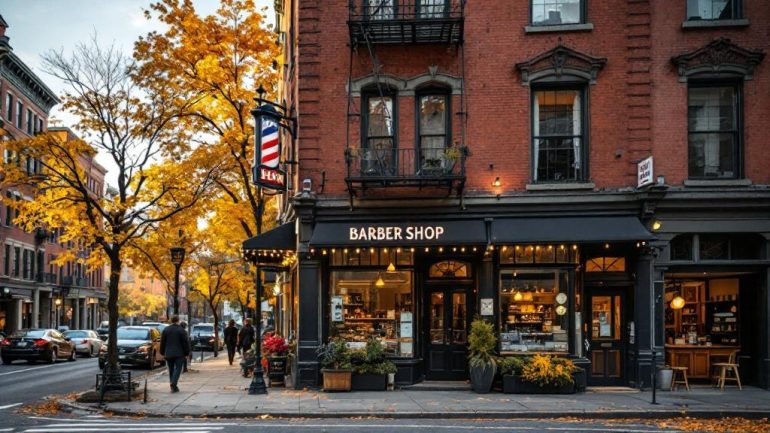
In a city that never stops moving, finding a place where you can slow down, sit back, and trust someone to make you look your absolute best is rarer than you might think. New York has no shortage of salons and styling studios — but a genuine barbershop, one that understands the difference between cutting hair and crafting an image, is a different story entirely. For those who know what they’re looking for, Village Cuts NYC — Barbershop in Greenwich Village has been that place since 2006, quietly building a reputation on a foundation of skill, tradition, and the kind of personal attention that turns a first-time visitor into a regular.
This article is for anyone who has ever walked out of a haircut feeling vaguely disappointed — and wants to understand what separates a truly great barbershop experience from everything else.
What Makes a Barbershop Different from a Hair Salon
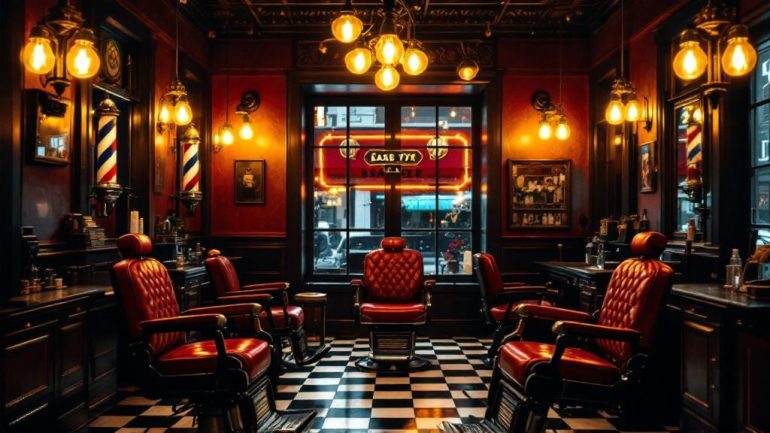
The distinction matters more than most people realize. A hair salon and a barbershop share the same tools and occupy the same general category in the mind of someone who just needs a trim — but the philosophies behind them are fundamentally different. A traditional barbershop is built around precision, repetition, and a deep understanding of men’s hair and facial structure. The barbers who work in these environments typically spend years mastering a relatively focused range of techniques. The result is consistency — you get the same excellent cut every single visit, not a different interpretation depending on who happens to be available.
A hair salon tends toward a broader range of services, often with a different aesthetic sensibility. Neither is inherently better, but if you’re a man who cares about clean lines, a sharp fade, and a shave that doesn’t leave your skin irritated for two days — a proper barbershop is almost always the right answer.
Core Services Every Quality Barbershop Should Offer
A well-rounded barbershop is defined not by the number of services on its menu, but by how well it executes the essentials. The following are the services that separate a serious establishment from a walk-in hair cutting chain:
- Precision haircut with consultation. A skilled barber studies your face shape, hair texture, and natural growth patterns before making a single cut. The goal is a style that works with what you have rather than against it — a cut that looks intentional and sharp the moment you leave, and that holds its structure as it grows out.
- Straight-razor hot towel shave. The process begins with a pre-shave treatment to open pores, followed by a careful single-pass shave with a straight-edge razor, and finishes with a cold towel to close the skin. When done properly, it leaves you smoother than any multi-blade cartridge razor can manage — without irritation or ingrown hairs.
- Beard trimming and shaping. A barber who genuinely understands facial structure approaches a beard trim entirely differently from simply removing excess length. They see the beard in relation to the jawline, cheekbones, and the overall proportions of the face — and shape it accordingly.
- Hair texture and long hair services. Focused on maintaining the health and natural shape of longer styles, this service requires a different set of skills and patience than a standard fade or crop.
- Kids’ haircuts. A sign that a barbershop is genuinely embedded in its community — one that serves families, not just solo professionals.
The Greenwich Village Advantage
Location shapes character, and Greenwich Village has always had a particular kind of character — independent, creative, community-oriented, and resistant to the homogenization that has flattened so many other Manhattan neighborhoods. It’s a place where longtime residents and NYU students share the same streets with working professionals and artists, where a barbershop can genuinely become part of the fabric of the block.
A neighborhood barbershop in Greenwich Village draws from all of these communities. The barbers learn their regulars, understand their schedules, and remember exactly how they like their hair cut. That accumulated knowledge — built up over months and years of repeat visits — produces something a walk-in salon staffed by rotating stylists simply cannot replicate: a barber who knows what you want before you’ve finished explaining it.
The shop is conveniently accessible via the West 4th Street subway station (A, C, E, B, D, F, M lines), making it easy to reach from Lower Manhattan, SoHo, Chelsea, NoHo, the East Village, and Bowery — the neighborhoods it primarily serves.
Barbershop vs. Hair Salon: Knowing What You’re Choosing
Understanding the practical differences between these two types of establishments helps you make a more informed decision about where to invest your grooming time and money.
| Feature | Traditional Barbershop | Hair Salon |
|---|---|---|
| Primary focus | Men’s cuts, fades, shaves | Broad styling, coloring, treatments |
| Straight-razor shave | Yes — a core service | Rarely offered |
| Beard shaping | Specialist-level expertise | Variable |
| Atmosphere | Masculine, relaxed, community-driven | Varies widely |
| Consistency | High — same barber, same result | Variable by stylist |
| Price point | Transparent, often lower | Often higher |
| Walk-in availability | Typically yes | Often appointment-only |
What to Look for in a Barber: A Practical Checklist
Whether you’re visiting a barbershop for the first time or reassessing where you currently go, these are the indicators that separate a genuinely skilled barber from someone who simply has access to clippers:
- They ask questions before they start cutting — about your lifestyle, your styling habits, and what you’ve liked or disliked about previous haircuts.
- They study your hair and face before reaching for any tools, taking a moment to consider the structure they’re working with.
- They explain what they’re doing and why, particularly if they’re suggesting something different from what you asked for.
- Their tools are visibly clean and well-maintained — clippers sterilized between clients, disposable blades opened in front of you.
- They finish with styling advice — not as a sales pitch for products, but as practical guidance for maintaining the cut at home.
- Their regulars come back. A barbershop full of repeat customers is one of the most reliable quality signals there is.
Why Experience Behind the Chair Changes Everything
Technique can be learned in a matter of months. What separates good barbers from exceptional ones is something that only accumulates over years: pattern recognition. A barber with fifteen or twenty years of experience has seen virtually every hair type, face shape, growth pattern, and styling challenge imaginable. They’ve learned — through thousands of real haircuts rather than through theory — what works and what consistently doesn’t.
When that depth of experience meets genuine investment in the outcome, the results are not just good but reliably impressive. You notice it two weeks after the cut, when the shape is still holding and the lines are still clean. That longevity is the real test of a haircut — not how it looks the day you walk out of the shop, but how it looks ten days later when you haven’t had time to style it.
Hygiene Standards That Should Be Non-Negotiable
A subject that doesn’t come up in conversation nearly often enough: cleanliness. A barbershop handles sharp instruments in direct contact with skin, and the standards around sterilization matter significantly for both safety and the quality of the shave.
The signs of a shop that takes hygiene seriously include sterilized clippers and scissors between every client, disposable razor blades opened in front of the guest and never reused, fresh capes and towels for each person, and a generally tidy workspace that signals attention to detail across the board. Premium cosmetics used at every stage of the service — rather than generic products applied indiscriminately — are another indicator that the shop treats the craft with the seriousness it deserves.
Building a Relationship with Your Barber
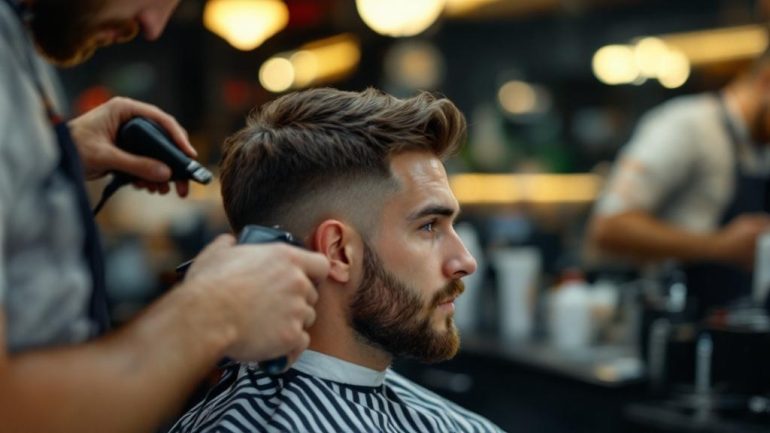
The single most effective thing any man can do to improve the quality of his grooming over time is to find one barber he trusts and return to that person consistently. Many men still approach each visit as a standalone transaction, and that approach significantly limits what a barber can do for them.
When you return to the same barber repeatedly, they accumulate knowledge about you that improves their work in ways that are difficult to quantify but easy to see. They learn how your hair grows, which areas need extra attention, what you actually mean when you describe the cut you want, and how your style has evolved over time. That continuity is genuinely valuable — and it’s only built through returning to the same person, in the same chair, over months and years.
A great barbershop, in the end, is not simply somewhere to get your hair cut. It’s a place where skill and tradition meet genuine personal service — where the experience of walking out looking sharper than when you walked in feels reliable rather than lucky. In a neighborhood like Greenwich Village, that kind of place has a way of becoming part of the rhythm of your week.